Learn how to convert 50 grams (g) to milliliters (mL) accurately using substance density. Understand why grams and mL conversions vary by material.
Learn why 1ml does not equal 0.5mg and how volume-to-weight conversions depend on a substance’s density.
Learn how to accurately convert grams to milliliters for any liquid using density with our simple formula and tips.
Learn why 100 mL is not always the same as 100 g and how substance density affects the conversion between milliliters and grams.
Learn how to accurately calculate milliliters (ml) by converting from liters and cubic centimeters with clear examples and tips.
Learn how to convert 300ml to grams based on density. Discover why 300ml of water equals 300 grams and how other liquids differ.
Discover why 50g is not equal to 50mL and learn how density affects the conversion between weight and volume measurements.
Learn how to convert 250ml to grams based on the substance's density, with examples for water and other materials.
Learn how to convert 250 grams to milliliters accurately by considering the density of various substances like water and honey.
Learn how to convert 250 grams of liquid to milliliters accurately by considering the liquid's density for precise measurements.
Learn how to convert 100 grams to milliliters correctly by considering the substance's density for precise volume measurement.
Learn how to convert 100 grams to milliliters accurately using density. Understand why 100 grams of water equals 100 ml and how to adjust for other substances.

Learn when 1000 mL equals 1000 g and why density affects volume-to-mass conversions for different substances.

Learn the simple formula to convert grams to milliliters accurately by considering the substance's density for precise volume measurement.
Learn why 100g does not always equal 100ml and how density affects the conversion between grams and milliliters.
Learn why 3 ml is not always equal to 3 grams and how substance density affects the conversion between milliliters and grams.
Learn why grams cannot directly convert to milliliters and how density affects the conversion between mass and volume measurements.
Learn when 50 grams equals 50 mL and why density affects the conversion between weight and volume.
Learn the key differences between 100 mL and 1 liter, and how to accurately convert and measure liquid volumes in everyday use.
Learn why 1% concentration means 1 gram of solute per 100 ml of solution when density is similar to water.
Learn how to convert 500 ml to grams accurately by considering the density of the substance. Water equals 500 grams at 500 ml.
Learn why 100 ml is not the same as a gram and how conversions depend on the substance's density.
Learn how to convert 100 grams of various liquids to milliliters by understanding liquid density and volume measurement.
Learn why 1 ml is not always equal to 100 mg and how density affects the conversion between milliliters and milligrams.
Discover why 1.0 ml is not always equal to 1 gram and learn how density affects the conversion between milliliters and grams.
Learn why 50 grams is not always equal to 50 milliliters and how density affects the conversion between grams and milliliters.
Learn how to convert grams to milliliters for various liquids based on their density, including water and other common substances.
Learn why 200 mg is not the same as 200 mL and how weight and volume differ, including examples with water conversion.
Learn why 1 cubic meter (m3) always equals 1000 litres and how this standard conversion is used in science and everyday applications.
Learn the exact volume and weight of 1 liter of water explained simply with metric system details.
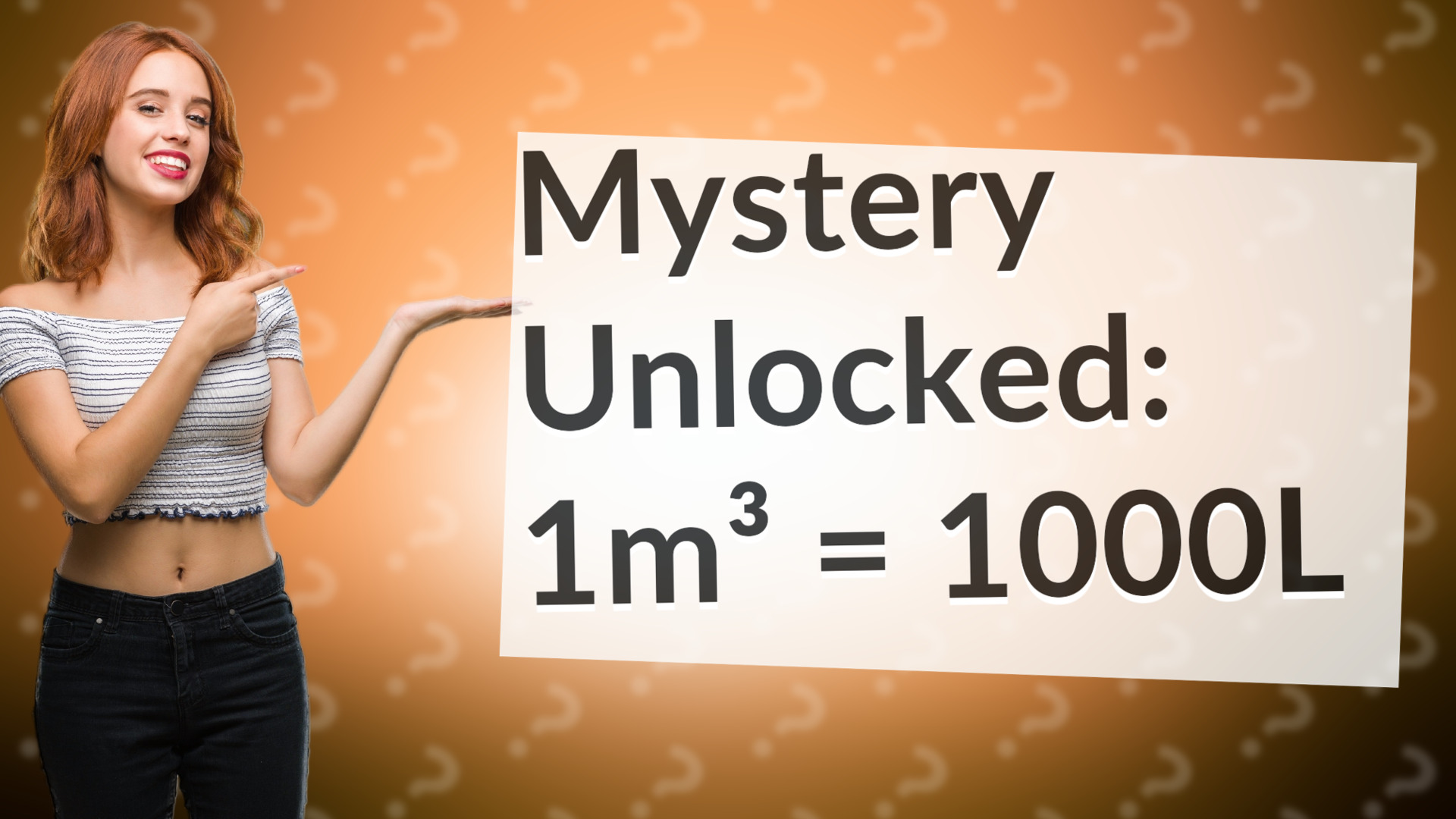
Learn why 1 cubic meter equals 1000 liters based on the definition of a liter and volume measurement units.
Learn the simple conversion of 1 gram to milligrams and why it matters in science, medicine, and cooking measurements.
Learn how to convert grams to mL using density. Understand the formula and get examples, including water's unique 1 g/mL density.
Learn how to change the volume of water by adding, removing, or adjusting temperature with easy-to-follow tips and tools.
Learn how to easily convert grams (g) to milligrams (mg) using the straightforward formula multiplied by 1000.
Learn how to convert grams to milliliters and why density affects the conversion. Discover the 1g to 1mL rule for water and how to apply it.
Learn why 1 ppm equals 1 mg/L in water chemistry and how this conversion is essential for precise dosage calculations.
Learn why 1 gram equals 1000 milligrams and how to convert grams to milligrams easily using the metric system.
Learn what water volume is, how it’s measured in liters, gallons, or cubic meters, and why accurate measurement matters in everyday and scientific uses.
Learn how to convert cubic centimeters to litres with a simple formula for measuring water volume accurately.
Learn how to convert 1000 milligrams (mg) to grams (g) quickly with a simple division method.
Learn how to accurately calculate the volume of water in milliliters (ml) using container dimensions or measuring tools like graduated cylinders.
Learn how to convert 500 mg to mL by considering the substance's density. Discover why this conversion varies and how to calculate it correctly.
Learn why volume is calculated in litres and when to use litres versus cubic meters or centimeters for measuring volume.
Discover how many cubic litres are in a litre and understand volume units like litres, cubic decimeters, and cubic centimeters.
Learn why 1mL does not always equal 1mg and how substance density affects the conversion between milliliters and milligrams.
Learn why 1 cubic meter (1m³) is not equal to 1 litre, and understand the volume conversion between these units.
Learn how to convert 50 grams to milliliters by understanding density. See examples for water and oil conversions.
Learn how to convert 1 gram to milligrams quickly and accurately. Understand the straightforward calculation for everyday and scientific uses.
Learn how many liters fit in a cubic meter of water. Understand the easy conversion: 1 cubic meter equals 1,000 liters of water.
Learn why 1.0 mL is not always equal to 10 mg and how density affects the conversion between milliliters and milligrams.
Learn why 100 ml is not equal to 1 mg. Understand the difference between milliliters and milligrams and how density affects their conversion.
Learn why 1 litre is not equal to 1 cubic meter and how to convert between litres and cubic meters accurately.
Learn why 1 ml is not always equal to 1 gram and how substance density affects ml to gram conversions.
Learn why 1000mg equals 1g with a clear explanation of metric conversions between milligrams and grams.
Learn how to convert grams to molarity with this simple formula and clear explanation. Essential for accurate solution preparation in chemistry.
Learn when 1 gram equals 1 milliliter and how substance density affects this ratio. Clear explanation with common examples like water.
Learn what 1 volume of water means, including common units like liters, gallons, and cubic meters for measuring water volume.
Learn how to convert 50 grams to milliliters and why the conversion depends on the substance's density.
Learn why 1000 mg does not equal 1000 ml and how to convert these units based on substance density.
Discover why 1 gram is not equal to 1 liter and learn the difference between mass and volume measurements.
Learn what grams of solute per liter means and how to measure solution concentration accurately in chemistry.
Learn how to convert 10 mg to mL by considering the density of the substance, with a clear example using water’s density for accurate measurement.
Learn how to convert 1 kilogram to litres correctly based on density, with water as the standard example of 1 kg equal to 1 litre.
Learn how to accurately convert 100 grams to milliliters with this easy explanation using density for water and other substances.
Learn how to convert 500 mg to mL by understanding the role of density and applying the correct formula for accurate volume calculations.
Learn why 500 mg is not equal to 1 gram and how to easily convert milligrams to grams with simple math.
Learn why 100ml doesn't always equal 100g and how density affects volume-to-weight conversions for different substances.
Learn why 1000 ml is not the same as 1 gram and how volume differs from weight depending on the substance's density.
Discover why 1 gram equals 1 milliliter due to water's density at 4°C and how this simplifies volume-to-mass conversions.
Learn how to convert 100 grams to milliliters accurately by considering the substance's density with this simple formula.
Learn how to accurately convert 100g to ml by applying the density formula for various substances, including water and others.
Learn how to convert grams into liters by understanding density and using the formula volume = mass/density for accurate results.
Learn why 500mg is exactly half a gram and why precise unit conversion matters in cooking, science, and medicine.
Learn how to convert 1000 ml to grams accurately using density. Understand why water conversion differs from other substances.
Learn how to convert grams to milligrams accurately with simple multiplication for precise measurements in science and medicine.
Learn how to convert milliliters (mL) to milligrams (mg) by using density in this easy-to-follow explanation.
Learn how to convert 1 gram to milliliters using density and specific gravity with easy-to-follow examples.
Learn how to convert 10 mg of liquid to milliliters (ml) with key factors like liquid density explained for accurate measurements.
Learn how to convert 600 mg to milliliters and why the density affects the conversion. Quick guide for accurate mg to ml measurement.
Discover why 500 grams is not always equal to 500 milliliters and learn how density affects weight-to-volume conversions.

Learn how to convert milliliters to grams by understanding the role of density in accurate volume-to-mass calculations.
Learn why 1000ml does not equal 1 gram and how the conversion depends on the substance's density, with examples for water and other materials.
Learn why 1 gram equals 1000 milligrams and how to convert grams to milligrams accurately in measurements.
Learn how to convert grams to milligrams quickly by multiplying by 1,000. Easy step-by-step explanation for fast measurement conversions.
Learn why 1 mg is not equal to 1 ml and how the conversion depends on the substance's density, with examples like water.
Learn why 1000 mg does not always equal 1 mL and how substance density affects the conversion between milligrams and milliliters.
Learn how to convert 1 gram per liter (g/L) to parts per million (ppm) with a simple explanation based on water density.
Learn how to convert 20 mg to mL accurately by considering the substance's density. Simple explanation with examples for water and other liquids.
Learn why 1 liter does not always equal 1 kilogram, depending on the substance's density, with examples like water and other materials.
Learn the formula for measuring liquids using volume, common units like liters and milliliters, and the proper tools for precise measurement.
Learn how many milligrams are in a liter and understand the metric system conversion using water as a reference point.
Learn when 1 gram equals 1 milliliter and why density matters for accurate conversion between grams and milliliters.
Learn why 1 ml does not equal 5 mg, and how volume and weight measurements differ based on density.
Learn what g per mL means and how grams per milliliter measure density in chemistry and science. Clear explanation with examples.
Learn why 1 gram is exactly equal to 1000 milligrams and understand the metric system prefixes for accurate measurement conversions.
Learn why 10 mg is not always equal to 1.0 mL and how substance density affects the conversion between mass and volume.
Learn why 1 mg is not equal to 1 mL and how to convert between milligrams and milliliters based on density.
Learn how to convert grams to milliliters using the density formula with easy examples, including water and other substances.
Learn the 5 common units used to measure liquids including liters, milliliters, gallons, quarts, and cups for everyday and scientific use.