Learn what a milliliter measures and how it compares to teaspoons and ounces for accurate liquid conversions.
Learn why 500mL does not make 1 Litre and how to accurately convert milliliters to liters.
Learn how 1000ml of water equals 1 liter and why this metric conversion is essential for cooking, science, and daily use.
Learn why 750mL is not the same as 1 liter and discover how these common volume measurements compare in everyday use.
Learn how many millilitres are in one litre of milk and why understanding this conversion is useful for cooking and measuring ingredients.
Discover why 500ml equals half a liter and learn simple metric volume conversions for everyday use.
Learn what 1 litre means, its equivalent volume in cubic centimeters and fluid ounces, and its common uses in measuring liquids.
Learn why 500ml is not equal to 1 litre and how these common metric volume units compare.
Learn what a 1000th of a litre is and how a millilitre (mL) is used as a small metric unit of volume in everyday life.
Learn why 500 ml is exactly half a liter and how to easily convert between milliliters and liters for measuring liquids.
Learn why 750 ml is smaller than 1 liter and how to compare metric volumes accurately in everyday situations.
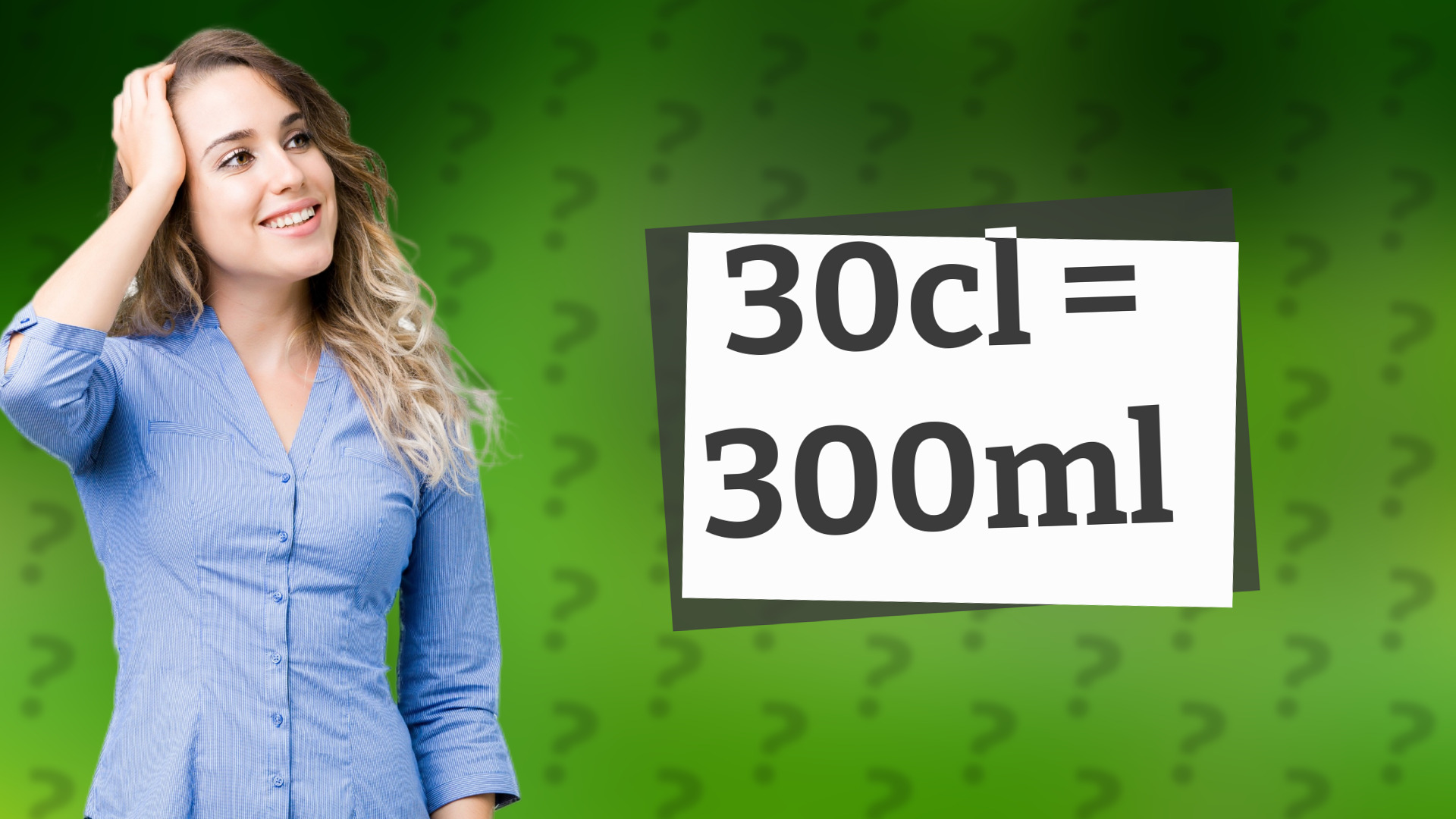
Learn why 30cl is the same as 300ml with easy volume conversion tips for centiliters to milliliters.
Discover why 1 liter is bigger than 500ml and learn how volume measurements work in everyday life.
Learn why 500 ml is not equal to 5 liters and discover the simple conversion method between milliliters and liters.
Learn why 500ml is the same as 50cl and how to easily convert between milliliters and centiliters using the metric system.
Learn the key differences between 1 gallon and 1 liter, including volume conversions and usage in different measurement systems.
Learn how 5 liters converts to 5000 milliliters with easy-to-follow measurement tips for cooking and everyday use.
Learn why the litre is a metric unit of volume, its equivalence, and common uses worldwide in this concise explanation.
Learn about the volume units after litre including decilitre, centilitre, and millilitre to measure smaller liquid quantities accurately.
Discover what a 100th of a litre is called and how the centilitre (cL) is used in measuring small liquid volumes like in cooking and cocktails.
Learn how to convert 1 liter to US gallons using a simple formula. Understand the metric to imperial volume conversion quickly for cooking, automotive, and more.
Learn why 5 litres is not equal to 1 gallon and discover the correct volume conversion between litres and gallons.
Learn what 250ml means and how it compares to common volume measurements like cups, perfect for cooking and liquid measurement.
Learn why 500ml is not 1 litre and how to convert millilitres to litres accurately for cooking, science, and daily use.
Learn how many bottles equal 500 mL and understand common bottle sizes for easy volume conversion.
Discover why 500ml is exactly half of 1 litre and learn essential facts about metric volume units for everyday use.
Discover why 1 mL of water weighs 1 gram at 4°C due to water's density and the metric system's design for easy measurement conversions.
Learn why 1 mL of water weighs approximately 1 gram at room temperature and factors that affect this equivalence.
Learn what 250ml means and how it relates to everyday volume measurements like cups and liters for cooking and more.
Discover how 1000 ml of water equals 1 liter and approximately 1 kilogram, essential for cooking and scientific measurements.
Learn how to convert 100 ml to grams by considering the density of the substance, with water as a key example where 100 ml equals 100 grams.
Learn what ml (milliliter) means and how 100 ml compares to 1000 ml. A clear explanation of metric volume units.
Learn the key differences between 100 mL and 1 liter, and how to accurately convert and measure liquid volumes in everyday use.
Learn how much 100ml of fluid is in liters and ounces, plus common uses for this measurement in cooking and science.
Learn what 100 mL stands for and how milliliters measure liquid volume in the metric system with precise definitions.
Learn why 1 cubic meter (m3) always equals 1000 litres and how this standard conversion is used in science and everyday applications.
Learn the exact volume and weight of 1 liter of water explained simply with metric system details.
Learn how many milligrams are in 1 liter and understand the metric conversion between volume and mass clearly and accurately.
Learn how to convert various volume measurements like cubic meters, gallons, and cubic feet to litres with simple conversion factors.
Learn the simple conversion of 1 gram to milligrams and why it matters in science, medicine, and cooking measurements.
Learn the metric equivalent of 1 mL, which is 0.001 liters, and understand how metric prefixes relate to volume measurements.

Learn how to convert 0.25 liters to milliliters easily. Understand the metric conversion: 0.25 L equals 250 mL.
Learn how to convert liquid volume accurately between gallons and liters using simple multiplication or division with the correct conversion factor.
Learn how to easily convert grams (g) to milligrams (mg) using the straightforward formula multiplied by 1000.
Learn why 1000 ml equals 1 liter and how to convert milliliters to liters easily for cooking, science, and daily use.
Learn why 50cl equals 500ml and how to convert centiliters to milliliters quickly and accurately.
Learn why 1 gram equals 1000 milligrams and how to convert grams to milligrams easily using the metric system.

Learn how 1 litre of water corresponds to 1000 cubic centimeters with clear metric system conversion explained.
Learn why 0.5 liters equals 500 milliliters and understand volume conversions for cooking, science, and everyday use.
Learn what 1g/ml of water means and why water's density is the standard for mass to volume measurement under standard conditions.
Learn how volume is expressed in liters, a key metric unit used worldwide for measuring liquid quantities and conversions.
Learn why 1 gram equals 1000 milligrams and how this basic metric conversion is used in medicine, cooking, and science.
Learn why 1 cubic meter (m3) equals 1000 liters, not 1 liter. Simple volume conversion explained for accurate measurements.
Learn what 1 liter of water equals in milliliters, US fluid ounces, and pints for cooking, science, and everyday measuring needs.

Learn how to quickly convert cubic centimeters (cm3) to litres with a simple division by 1000. Understand this key volume conversion now.
Learn what 1000 mg means, its conversion to grams, and why understanding this dosage measurement is essential for safe medication and supplement use.
Learn if 1 gram is more than 1000 milligrams and why this metric conversion matters in cooking, science, and medication dosing.
Learn how many cups make 1 litre with this simple conversion tip—perfect for cooking and baking with metric and US measurements.
Learn if 100 mg equals 1 gram and discover how to convert milligrams to grams accurately in science, cooking, and medicine.
Learn why 50ml is not half a litre and discover how to convert millilitres to litres accurately for everyday tasks.
Learn why 1 gram equals 1000 milligrams and how this key metric conversion applies in everyday life, medicine, and cooking.

Learn why 1 gram equals 1000 milligrams and how to convert grams to milligrams accurately in measurements.
Learn about the metric system for liquids, including liters, milliliters, and kiloliters, and how these units are used worldwide for liquid measurement.
Learn how many milligrams are in a liter and understand the metric system conversion using water as a reference point.
Learn how 1,000 ml equals 1 liter and why this conversion is essential for cooking, baking, and accurate liquid measurements.
Learn why 1 gram is not equal to 10 milligrams and discover the correct metric conversion between grams and milligrams.
Learn why 1000mg equals 1 gram and how this simple metric conversion applies in science, medicine, and daily life.
Learn how to correctly convert liters to milliliters and why 10 liters equals 10,000 ml, not 100,000 ml.
Learn how to calculate volume in milliliters using formulas for solids and measurement techniques for liquids. Accurate volume conversion explained.

Learn why 1 liter does not equal 1 quart and how to accurately convert between these volume units in metric and imperial systems.
Learn what 50 mL means, its conversion to fluid ounces, and common uses in cooking, medicine, and science.
Learn why one liter equals one cubic decimeter, not one cubic meter, and how these volume measurements relate.
Discover how much water 1 cubic meter holds, including its equivalent in liters and US gallons for easy understanding.
Learn the difference between 1 litre and 1 gallon, including accurate volume conversions to avoid common measurement mistakes.

Discover the two most used volume measurements—liters and milliliters—and how understanding them simplifies everyday liquid measurement.
Learn how much a liter of liquid equals in milliliters, US fluid ounces, and quarts with simple volume conversion facts.
Learn what 1 liter equals including milliliters, cups, and gallons to better understand volume measurements in everyday life.
Learn why 1 litre of water weighs 1 kilogram at 4°C and how this metric principle applies to measurements.
Discover why 1 milliliter of water equals 1 gram, explained through water's density in metric measurements.

Learn what 1 cubic metre of water equals in liters, metric tonnes, and gallons, and why it's a standard volume measurement.
Learn how 1 liter equals 1000 milliliters and understand this simple metric conversion for everyday use.

Learn why 1000 litres is called a cubic meter and how this unit is used in measuring large volumes in the metric system.
Discover why a cup can be 250ml or 237ml depending on your location. Learn key measurement differences for accurate cooking and baking.

Learn the standard units to measure liquid volume, including liters and milliliters, and how they relate in the metric system.
Discover how 250ml converts to cups in Australia and learn about the differences in cup sizes between Australia and other countries.

Learn the exact conversion of 1 gallon to liters and understand liquid measurement differences between systems.

Learn how to convert 1 gallon to metric units. Understand the gallon to liter conversion and its practical uses in fuel efficiency and volume measurement.

Learn the precise ratio of quarts to liters and how to easily convert quarts to liters using a simple multiplication factor.

Discover how big 1 cubic litre is, its dimensions in centimetres and inches, and its equivalent volume in litres.

Learn about units larger than a liter, including gallons and cubic meters, for measuring bigger volumes effectively.
Explore various volume measurement units beyond liters, including cubic meters, milliliters, gallons, and more, suitable for different applications.

Learn the key differences between a unit and a milliliter (mL), two common measurement terms used in various contexts.
Learn what a liter is, its equivalence in milliliters and fluid ounces, and why it's not a math term but a metric volume measurement.

Learn how many liters fit in a cubic meter and understand the metric conversion between cubic meters and liters for accurate volume measurement.
Learn why 100 ml is not equal to 1 liter and how to convert milliliters to liters with a simple formula.

Learn how to convert 100ml to ounces with this quick guide. Perfect for cooking and measuring liquids accurately.

Discover why 500 ml is not exactly 16 oz and learn the precise conversion between milliliters and ounces.
Discover when gallons were replaced by litres as the standard volume unit and why the metric system became global standard in the 20th century.
Learn what mL means, its value in liters and fluid ounces, and how milliliters are used to measure liquid volume in daily life and science.
Learn why 500 millilitres is not equal to 2 litres and how to convert millilitres to litres correctly.