
Learn how to convert 1000 seconds into minutes and seconds with a simple calculation. Understand time conversions for everyday and technical use.
Learn how to convert units of measure using conversion factors and simple multiplication or division for precise results.

Explore the different contexts and meanings of the number 39, including its numerical value, symbolic uses, and how it's interpreted across fields.

Learn how to convert degrees to minutes easily. Discover the correct approach and the significance of the multiplication by 60 in this simple guide.
Discover the measurement system Australians use, focusing on meters, kilograms, and liters as part of the metric system.
Learn how to convert units of length, mass, and volume accurately using simple formulas and conversion factors.
Learn how to calculate speed by converting 20 meters in 5 seconds into meters per second with a simple step-by-step explanation.

Discover the meaning of '1 unit' and how its definition varies across healthcare, academics, and real estate.

Learn how to check if a number is prime by testing divisibility up to its square root. Easy guide for identifying prime numbers accurately.
Learn how 24k is expressed in scientific notation as 2.4 x 10^4 for simplified large number representation.

Learn how one degree is divided into 60 minutes and why this system is crucial in fields like astronomy, navigation, and surveying.

Learn how to calculate scientific notation by moving the decimal point and using exponents with base 10 in simple steps.

Learn why 1 radian is approximately 57.3 degrees, not 60, and understand the difference between radians and degrees in angle measurement.
Learn how to solve scientific notation by multiplying numbers using powers of 10 with this simple step-by-step explanation.
Learn why 0.25 is smaller than 0.5 with a simple explanation of comparing decimal numbers.
Learn how to convert any number to scientific notation with easy steps and examples for better understanding.
Learn how to calculate single units by dividing total quantity by number of units with this easy-to-follow formula and example.
Learn how six 60-degree angles combine to form a full 360-degree circle in this clear geometry explanation.
Learn how to calculate the volume of regular and irregular shapes using simple formulas for prisms, cylinders, spheres, and cones.
Learn how to convert numbers to scientific notation with simple steps and examples, including moving the decimal and determining the exponent.

Learn the difference between degrees and minutes in measuring angles and time. Understand their symbols and how they relate to circles and hours.

Learn a simple method to convert decimal degrees to degrees and minutes with accurate rounding to the nearest minute.
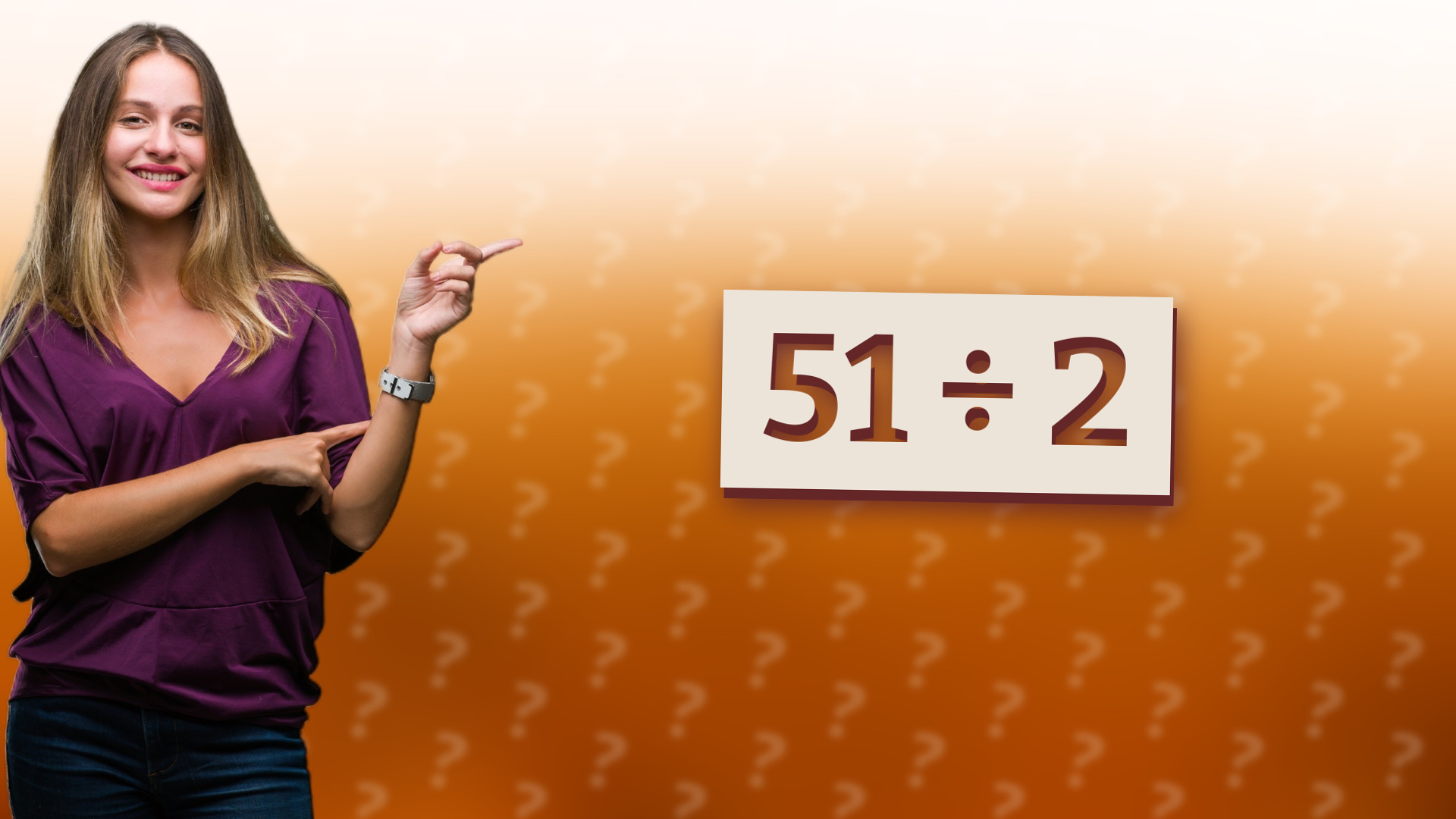
Learn if 2 goes into 51 and how division with remainders works, explained simply with examples.
Learn how to convert units to scientific notation easily with clear steps and examples for better understanding.
Discover how 60 minutes equal one hour and why this time unit is essential for daily scheduling and time management.
Learn how to find standard deviation by hand with simple steps to measure data variability around the mean.
Learn how to do conversions between units with simple steps, conversion factors, and tips for accuracy in measurement.
Learn why 60 minutes equal 1 hour—a key concept in time measurement used globally for planning and scheduling.
Learn how to convert numbers into scientific notation easily with this step-by-step tutorial and clear examples.
Learn why two hours equal 120 minutes through simple time conversion principles in this clear explanation.
Learn how to convert units of measurement step by step with simple methods and conversion factors for accurate results.
Discover why even numbers can be divided equally without a remainder and how this property works with examples.
Learn the 6 essential rules for converting any number to scientific notation with easy, step-by-step guidelines.
Learn the simple formula for converting units of measurement using conversion factors for accurate results.
Learn why even numbers are divisible by 2 without remainders and understand the basics of even number division.

Learn what one quarter means, from fractions to fiscal quarters and quarters of a dollar, explained simply for better financial understanding.
Learn how to divide quantities equally among groups or individuals with easy, practical steps to ensure fairness and accuracy.
Learn why 0.25 is called a quarter and how it represents one-fourth of a whole in everyday contexts like money and measurements.
Learn how to calculate your average by summing numbers and dividing by their count with simple examples.

Discover why temperature is measured using both Celsius and Fahrenheit scales, their origins, and practical uses explained simply.
Learn how to perform metric conversions with our simple step-by-step guide. Convert units like centimeters to meters quickly and accurately.
Learn where and how to measure a line accurately with a ruler or tape measure for precise length readings.
Learn how to convert 7 out of 25 into a percentage with a simple step-by-step calculation yielding 28%.

Discover why temperature is measured in both Celsius and Fahrenheit scales, serving different regions and scientific needs.

Learn when a multiplier can be less than, equal to, or greater than 1 and how context affects its value in math and finance.
Learn the step-by-step method to calculate the standard deviation of the data set 6, 8, 10, 12, 14 with an easy example.

Discover why width is not always the shortest side and how object orientation affects its measurement.

Learn how to calculate speed using the simple formula Speed = Distance ÷ Time with clear examples for everyday use.
Learn what standard deviation is and how it measures data spread in easy-to-understand terms. Ideal for beginners and students.

Learn the key differences between length and width with clear examples to understand object dimensions easily and accurately.
Learn the 5 basic measurements: length, mass, time, electric current, and temperature, and why they are essential in science and daily life.

Learn why the shortest length should be listed first when sorting measurements for clarity and consistency.
Learn how to read a ruler in centimeters accurately, including understanding centimeter and millimeter markings for precise measurements.

Learn what the size ratio scale is and how it compares dimensions, commonly used in maps for accurate distance representation.

Learn the difference between height, width, and length with easy definitions and examples to understand object dimensions clearly.
Discover the key differences between length and height, with clear examples to help you measure accurately.
Learn how to accurately count yards by converting feet using easy steps. Perfect for sports, construction, and everyday measurements.
Discover the 7 main SI units of measurement including meter, kilogram, second, ampere, kelvin, mole, and candela for accurate scientific and daily use.

Learn about the 5 major types of measurements: length, mass, time, temperature, and volume, with clear definitions and examples.

Learn what 1 unit means in math, including examples like 1 cm or 1 inch, and how it relates to measurement and number lines.
Learn the easiest method to grasp units of measurement like the meter using familiar comparisons and simple conversions.
Learn the proper way to write measurements with numerals and standard unit abbreviations for clear communication.
Learn the formula for speed and how to calculate it by dividing distance by time with a simple example.
Learn effective methods to measure the volume of objects using rulers, water displacement, and geometric formulas for accurate results.
Learn how to calculate dimensions accurately using length, width, and height. Understand formulas for area and volume in simple steps.
Learn why yards are longer than feet and how to convert between these common units of length measurement.
Learn about the 7 basic measurements: length, mass, time, electric current, temperature, amount of substance, and luminous intensity, with their standard units.
Explore why the US is unlikely to fully adopt the metric system soon and the challenges involved in this potential transition.
Learn how to correctly read the three measurements of length, width, height, and key performance metrics like speed, accuracy, and consistency.

Learn the difference between length and height, two key dimensions used to measure objects and buildings accurately.

Learn how to add percentages easily by converting to decimals and back. Master percentage addition with our simple, step-by-step method.

Learn what 2 cubic feet means and how to visualize this volume measurement with easy examples like an aquarium.
Learn how to calculate percentages without a calculator using simple division and multiplication techniques for quick mental math.
Learn how to calculate standard deviation manually with simple steps to measure data dispersion without using a calculator.

Learn how to calculate 2 standard deviations from a data set to identify significant variations from the mean easily.
Learn quick methods to calculate the volume of rectangular prisms and cylinders using simple, effective formulas.
Learn the standard deviation formula: σ = √(Σ (xi - μ)² / N) and understand how it measures data variability.

Learn how to convert obtained marks into percentages easily with our step-by-step formula and example calculation.
Learn how to calculate 80% attendance easily using a simple multiplication method. Understand the formula with clear examples.
Step-by-step guide to calculate the standard deviation of 1, 4, 5, 7, and 8 with clear explanations and examples.

Learn the formula for average: sum of values divided by number of values, explained with easy examples for quick understanding.
Learn about angular measurement with examples like degrees and right angles, essential in geometry, astronomy, and navigation.
Learn how to calculate standard deviation from a list with a simple step-by-step method to measure data spread accurately.

Learn how to calculate the average percentage of modules accurately with a simple formula and example for easy understanding.
Learn the three essential density formulas—Density = Mass/Volume, Mass = Density × Volume, and Volume = Mass/Density—to solve for any variable.

Learn how to find a ratio by comparing quantities and simplifying to lowest terms with easy examples.
Learn how to calculate scale ratio by dividing scaled dimensions by original dimensions with consistent units for accurate results.

Learn how to calculate the average daily attendance of a class using a straightforward formula to monitor student participation.

Learn how to solve conversion measurements by identifying conversion factors and using tools to ensure accuracy every time.
Learn the basics of metric conversion and how to easily convert between various units within the metric system.

Learn to calculate the standard deviation for data sets like 32, 28, 29, 30, 31 with this simple guide.

Discover why metric conversions are straightforward and how the decimal system enhances accuracy and reduces errors.
Learn the formula for measuring angles using trigonometric functions in geometry. Discover the angle sum property of triangles.
Learn how to calculate the volume of different shapes with clear examples and formulas.
Learn how to calculate percentage using a straightforward formula: (Part / Whole) * 100 for accurate results.
Learn how to calculate your attendance percentage easily with our simple formula and example.

Learn the three key methods to calculate a triangle's area, including base-height, Heron's formula, and trigonometric methods!
Learn about the 7 fundamental metric units in the International System of Units (SI) that standardize scientific measurements.

Learn how the 3-4-5 rule helps you quickly identify right angles in triangles.
Learn how to explain the concept of standard deviation to kids in an easy and relatable way.