Discover whether 'lab' is an informal term and how it's used as a common abbreviation for laboratory in everyday and professional contexts.
Learn why 'dammit' is considered a mild swear word and when it's appropriate to use it in different social settings.
Discover when the phrase 'Yeah right' is used sarcastically and when it can be genuine. Learn how tone and context change its meaning.

Discover the origins and meaning of the phrase 'hold down the fort,' rooted in military history and its evolution in everyday language.
Discover why people say 'no yeah' to express agreement and how this phrase functions in communication.

Discover the origins and meaning of the battle cry 'Hoorah,' used by soldiers to show enthusiasm and unity beyond military settings.
Learn why 'dang' is not considered a bad word and how it is used as a mild, inoffensive alternative to stronger swear words.

Discover why humans say 'uh' during speech and how this natural pause filler helps in communication and thought organization.

Discover the meaning and history of the phrase 'hey ho,' its various uses, and why it remains popular in everyday language.

'Heck' is a mild euphemism and not a dirty word. Learn when and how to use 'heck' appropriately in casual conversation.
Discover why people use 'yeah' as a casual, friendly alternative to 'yes' in everyday conversation and informal communication.

'Gosh darn' is a mild, polite expression and is generally not considered swearing. Learn why it’s a family-friendly alternative to explicit curse words.
'OK' started as slang from the US meaning 'oll korrect'. Discover its history, usage, and how it became a global expression for agreement.

Learn the meaning of 'man the ship' and how this phrase is used both literally in maritime contexts and figuratively for staffing projects.
Discover the meaning of the phrase 'oh yeah right' and how context affects its sarcastic or playful use in conversations.
Discover the meaning of 'oh ho hum' and how this expression conveys boredom or indifference in everyday conversation.
Discover popular substitutes for the F word like 'freak', 'frick', and 'fudge' to express strong emotions without profanity.
Discover the meaning of 'Wah Gwan Mi Yute,' a popular Jamaican Patois greeting that expresses friendly connection and inquiry.

Discover the meaning of 'giver' in Canadian slang—used to encourage giving maximum effort in sports, work, and everyday challenges.
'Finna' is a slang term meaning 'fixing to', used to express intention or plans. Learn how to use 'finna' correctly in everyday conversation.
Discover the meaning of 'quo' in English, its Latin roots, and how it's used in legal and formal phrases like 'quid pro quo'.
'L' in slang often means a loss or defeat, but can also refer to a blunt. Learn how context determines its meaning.

'Screw it' is a slang expression showing frustration; learn when it is considered inappropriate and how to use it properly.

'Lit' is a trending slang word meaning cool, exciting, or excellent—learn how and when to use it!
'Blimey' is a mild exclamation expressing surprise, not a swear word. Learn its origin and how it's used in everyday language.

'Yeet' is a popular slang word with no offensive meaning. Learn its origins, usage, and whether it is considered a dirty word in this quick guide.
'Oki Doki' is a casual expression meaning 'okay' or 'alright,' used informally across cultures. Learn its meaning and usage here.
Discover the meaning of YEET in slang, its origins, and how it's used to express excitement or throwing actions.
'Salty' in slang means being upset or bitter, often over minor issues. Learn how this popular term is used in everyday conversation and social media.
'Literally' is often the most overused word in English, changing meaning over time. Learn why and how to use it correctly for clearer communication.
'Opa' is a joyful Greek exclamation used in celebrations and to express excitement or surprise. Learn its meanings and cultural context here.

Discover the top 10 slang words of 2023, their meanings, and how to use them in everyday conversation.
Discover whether 'slay' is good or bad in slang, and learn how context shapes its positive or negative use.
Learn the meaning of 'quo pro' and how it relates to the Latin phrase 'quid pro quo', describing mutual exchanges in English.

Discover the meaning of 'Yurd' in slang and how it's used to express agreement or affirmation in informal conversations.
'100' in slang means being completely honest and authentic. Learn how this phrase is used to express truth and genuineness.
'Toodles' is a playful, informal way to say goodbye, often used among friends. Learn when and how to use this cheerful farewell.

Discover the meaning of FYE slang, its origins, and how to use it in everyday conversations to express excitement and approval.
Discover the slang meaning of 'so real'—how it's used to describe authenticity and sincerity in people or things.
Discover the meaning of 'woke' in slang, its roots in African American Vernacular English, and its role in social justice awareness.

Discover the meaning of 'Happy hurrah' and how it expresses joy and celebration in everyday language.
Learn whether 'dammit' is a cuss word, its level of offensiveness, and appropriate contexts for its use in this quick guide.
Discover the meaning of 'oh yeah' and how its tone and context change the expression of agreement, excitement, or realization in conversations.
Discover why people say 'hurrah' as an expression of joy and encouragement. Learn the meaning and common uses of this uplifting exclamation.
'Tick tock' slang meaning refers to the urgency of passing time or an approaching deadline, popularized by the sound of a ticking clock and TikTok app culture.
Discover why girls say 'huh?' during conversations and how it serves as a natural way to ask for clarification or indicate misunderstanding.

Learn the meaning of the phrase 'the alarm went off' and how to properly set alarm settings to avoid false alerts.
Learn the meaning and origin of the slang term "word," used to show agreement or affirmation in everyday language.
Discover the slang meaning of 'spicy' as exciting, bold, or provocative in people, fashion, and stories.
"Lit" is a popular Gen Z slang term meaning fun, exciting, or excellent. Learn how and when to use "lit" in conversations and social settings.
Discover the difference between 'hip hip hooray' and 'huzzah' and which is more commonly used today for celebrations.

Learn the meaning of 'Hurrah' and how it's used to express joy, approval, or encouragement in celebrations and victories.
"Yeah, sure" can be sarcastic or sincere depending on tone and context. Learn how to interpret this phrase correctly in conversations.
Learn if OK means yes and how it conveys agreement, acceptance, or acknowledgment in conversations.
Discover why people use 'uh-huh' as a quick, affirmative response to show active listening and keep conversations flowing smoothly.
Learn if "darn" is a vulgar word or a mild expletive suitable for all audiences in this brief explanation.
Discover why people say "huh?" as a natural, universal cue for confusion or clarification across languages and cultures.

Discover the meaning of Hoorah and Hurrah, their use as expressions of joy and military motivation.
Discover the meaning of the slang term YEET, its use in internet culture, and how it's used to express excitement or the act of throwing.
"Oh" can express surprise, realization, disappointment, or confusion. Learn when "Oh" is positive or negative based on tone and context.
"Huh" is a common informal response signaling confusion or a request for repetition in conversation. Learn its usage and meaning here.
Discover why people respond with "oh?" to express surprise, interest, or realization, and how intonation changes its meaning.

Learn how to write the exclamation 'Hoorah,' its meaning, and alternate spellings like 'Hooray' and 'Hurrah,' commonly used in military and celebratory contexts.
Discover why 'OK' is the most commonly used word worldwide, known for its simplicity and universal understanding.
Learn why saying 'oh' is called an interjection and how interjections express emotions like surprise or realization in language.
Discover the meaning of zesty slang and how it's used to describe energy, excitement, and vibrant personalities or events.
Discover spicy words like piquant, zesty, and fiery to add flair and vividness to your writing.
Discover popular Gen Z slang terms like lit, yeet, vibe, and cap, and learn how to understand and use this dynamic language.

Discover why girls say 'slay' and how this slang term expresses admiration for confidence and style.
Learn the meaning of 'cool' in slang, its usage, and examples to describe stylish and impressive things.
Explore why people use the word "real" to highlight honesty, genuineness, and trustworthiness in everyday language.
Discover the most used slang word like 'lit' and how slang varies by region and culture to stay current with modern language trends.
"Slay" is a popular slang term meaning to excel or impress. Learn its meaning, usage, and examples in this quick guide.
Learn why Irish people say 'What's the crack?' and discover the cultural meaning of 'craic' in Ireland's fun and friendly conversations.

Discover the meaning of 'craic' in Irish culture, how it's used to describe fun and good times in social settings.
Discover the true meaning of OK, its origin as 'Oll Korrect', and how it became a global term of approval and agreement.

Explore why the word 'goodbye' evokes deep emotions of loss and separation, making it one of the saddest words universally.

Learn how Geordies say yes using the word 'aye', a unique term in the Tyneside dialect of North East England.
Discover the slang meaning of 258 as 'I love you' derived from Mandarin Chinese pronunciation. Learn how numbers convey emotions in slang.
Learn when to use ‘Oy’ versus ‘Oi’ in English expressions of surprise or exasperation across cultures and contexts.
Discover the significance of 'Oye' as used by girls in conversation to draw attention and start discussions.
Learn how to effectively use quotation marks in your writing with examples and tips.

Discover the meaning of 'hint at' with examples and understand its application in communication.
Explore the slang term 'bounce' and its vulgar meaning. Learn how it signifies leaving suddenly in informal conversations.
Discover the meaning of '100' in slang and how it relates to authenticity and honesty in conversations.
Discover what 'SZN' means in slang and how it’s used in social media to highlight trends and seasons.
Discover the meanings behind 'Mmmmh' from a girl and how to respond appropriately.
Discover the meaning of 'YK' and its usage in everyday conversations. Brief guide to slang and text shorthand.
Discover the meaning of 'shoot from the hip' and its origins in spontaneous decision-making.
Discover the meaning of 'híjole' in Mexican Spanish and whether it's considered a bad word.
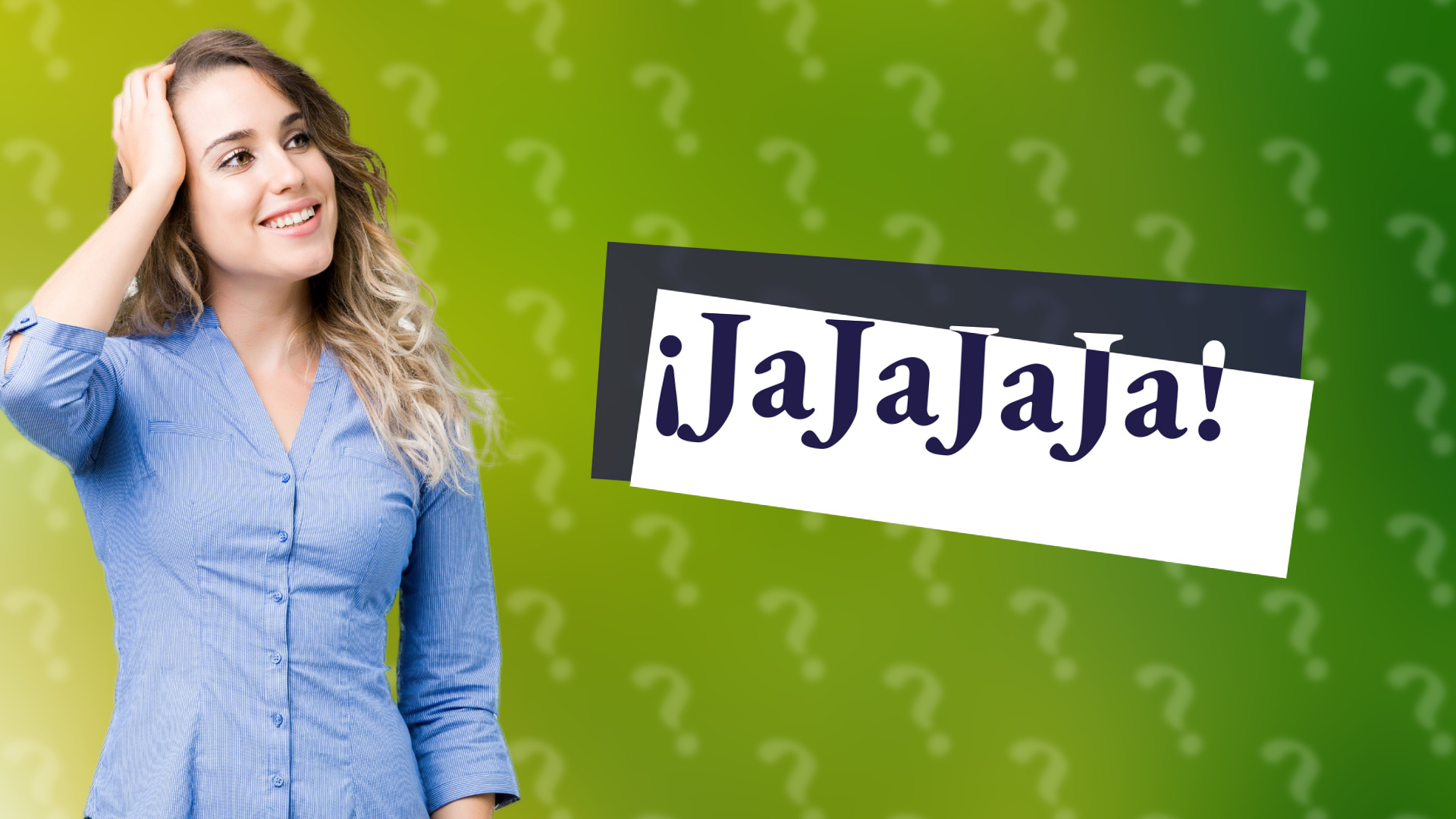
Discover how Spaniards express laughter in text form and the cultural significance behind it.
Discover the meaning of 'asf' and how to use it in everyday conversations for emphasis.

Discover the meaning of 'shooting from the hip'—an impulsive way of acting or speaking without planning.
Discover the meaning and usage of 'Chido', a slang term unique to Mexicans that expresses coolness and approval.

Discover the meaning of 'fire at the hip' and its implications on impulsive decision-making.
Discover the diverse meanings of 'boom,' including economic implications and maritime terminology.
Learn how to effectively use the phrase 'can of worms' to describe complex issues and complications.
Discover the meaning of IWYUWKWLYWYMW, an acronym for hiding information. Learn its usage and context in communication.

Discover what 'the worm has turned' means and how it signifies positive change after adversity.
Explore the meaning of 'booms slang' and its applications in economic growth and popular culture.