Discover how universities use MOSS to detect plagiarism in programming assignments and uphold academic integrity.
Discover whether professors can tell if you use Grammarly and how to use it effectively to improve your writing without raising suspicion.
Learn why a 0 Turnitin score indicates originality and what it means for your academic work and plagiarism check.
Learn why a 12% plagiarism score is often viewed as problematic in academics and how to properly cite sources to avoid penalties.
Learn if a 60% similarity score on Turnitin is bad and how to interpret similarity percentages based on institutional guidelines and citation practices.
Learn why admitting to cheating on a test can foster honesty and personal growth, plus how to handle the situation responsibly.
Learn how to determine if Proctorio flagged your exam and the best steps to confirm with your instructor or institution.
Discover why proctors strictly monitor cheating during exams and the serious consequences of academic dishonesty.
Learn what a 33% Turnitin score means and whether it indicates plagiarism or acceptable citation based on academic guidelines.
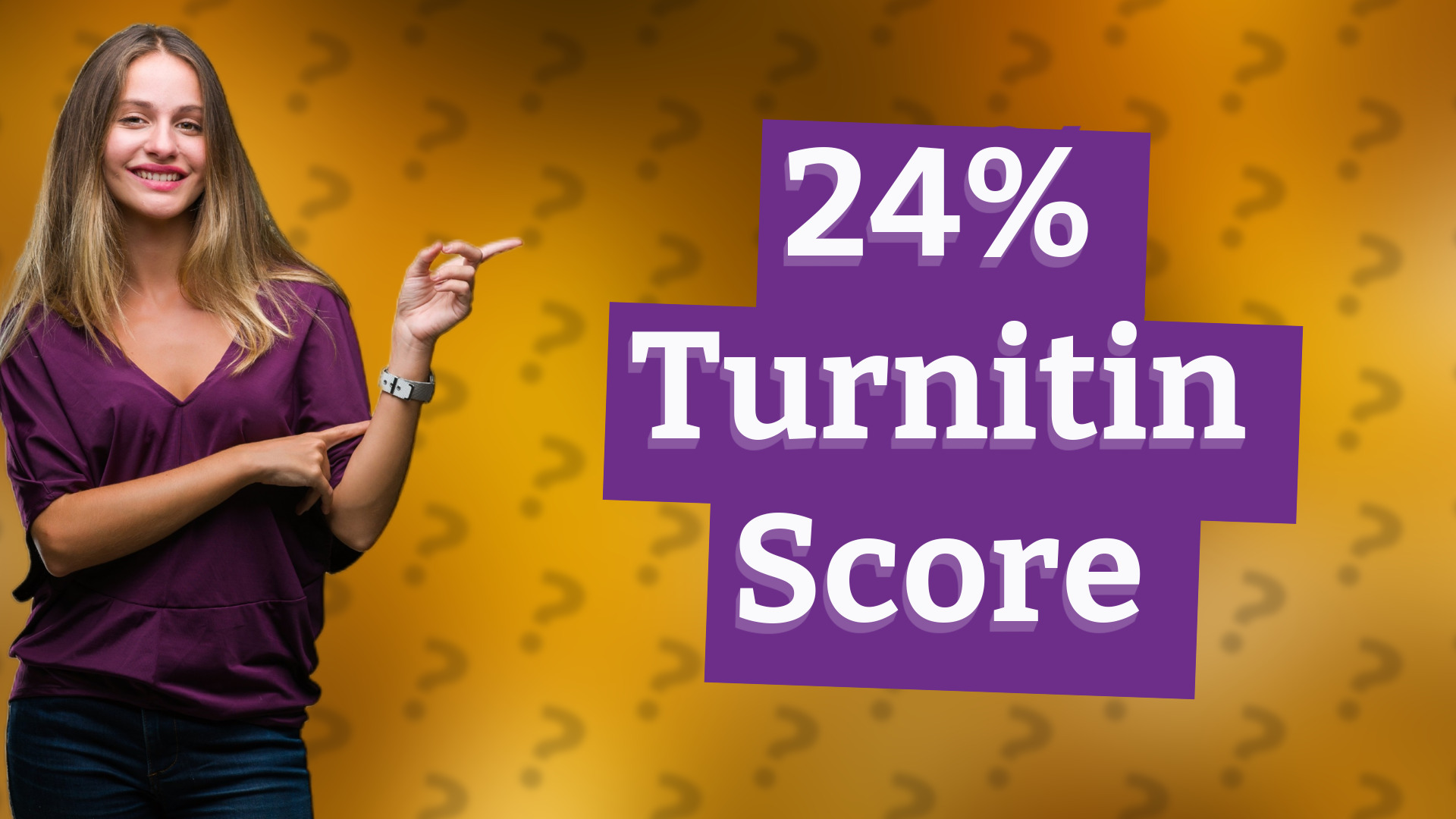
Learn if a 24% Turnitin similarity score is problematic and how to properly interpret and improve your originality report.
Learn if McGraw Hill requires webcams during online exams to ensure academic integrity. Check platform guidelines for detailed webcam use policies.
Discover what analytics and student behaviors professors can monitor during quizzes on Canvas, including time, scores, and access logs.

Learn how Proctorio integrates with McGraw-Hill Connect to provide secure online exam proctoring and ensure academic integrity.

Learn why using Course Hero to cheat violates academic integrity and how to use it ethically as a study aid.

Discover if Course Hero is worth it for students. Learn about its study resources, ethical use, and how to maximize its benefits.

Learn ethical ways to find McGraw Hill Connect answers using study resources, practice assignments, and instructor support for better learning outcomes.

Learn how Liverpool John Moores Harvard referencing style works, including in-text citations and reference list formatting for academic papers.
Learn if you can reuse assignments when retaking a class and how to avoid self-plagiarism by following school policies and updating your work.

Learn how professors identify Mathway use in assignments and tips to use it responsibly as a study tool.

Discover if Course Hero is a legit educational platform and learn how students can use it responsibly to enhance their learning.

Learn how to use ChatGPT responsibly for your college essay to get ideas, structure, and writing help while maintaining academic integrity.

Learn why verifying your ID on Coursera is essential for certificate authenticity and maintaining academic integrity.

Discover why Harvard referencing is preferred for clear, readable author-date citations that enhance academic integrity and source tracking.

Learn how to efficiently reuse assignments while maintaining academic integrity and avoiding plagiarism.

Learn the key differences between a bibliography and a reference list in Harvard referencing.

Learn what a 30% Turnitin score means for your academic submissions and how to improve your similarity index.

Discover the accuracy of Canvas grades and how to ensure your academic progress is tracked correctly.

Learn if Canvas notifies teachers about tab switching during exams and how proctoring software can affect your online assessments.